
Full Production Process
I. Raw Material Preparation
Raw materials such as kaolin and porcelain stone are selected, then crushed, washed, de-contaminated, and ground to produce a fine clay slurry. The clay is kneaded to remove air bubbles and set aside for later use. This is a critical step in handmade porcelain production, as it prevents cracking during firing and enhances the body’s toughness.
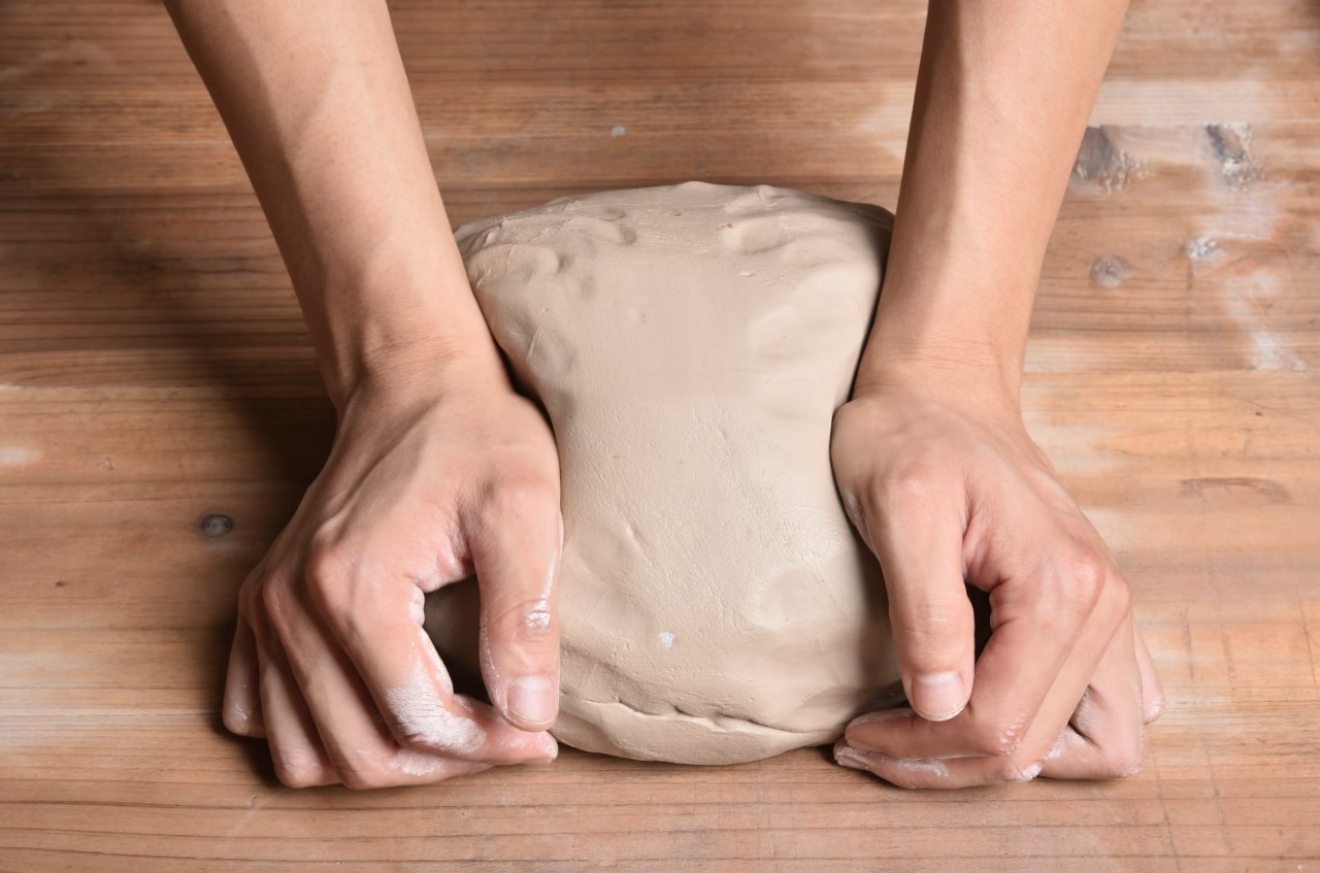
II. Shaping the Body
The clay is shaped into the desired form using techniques such as wheel-throwing, slip casting, coil building, and hand-building.
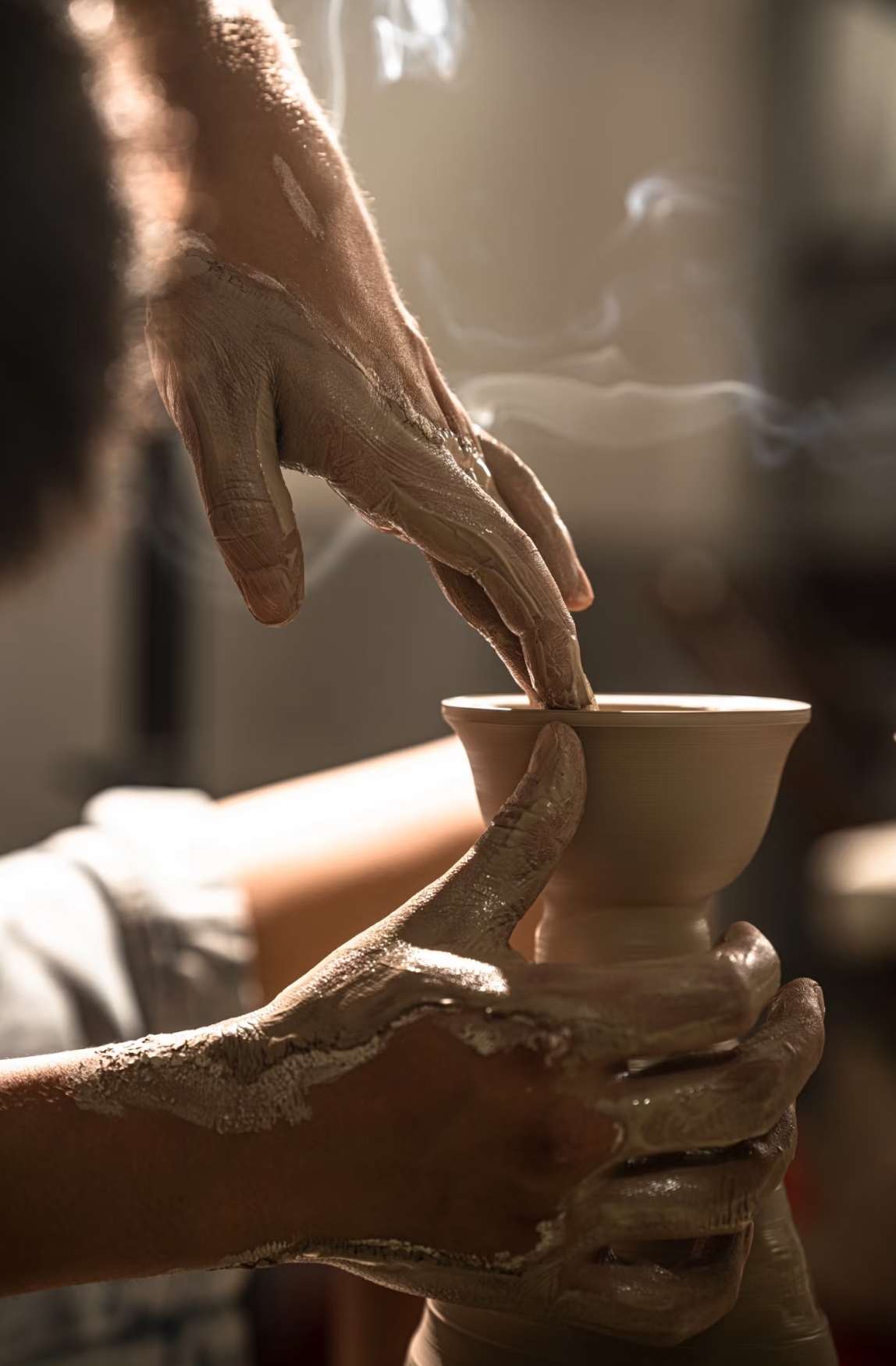
III. Drying and Trimming
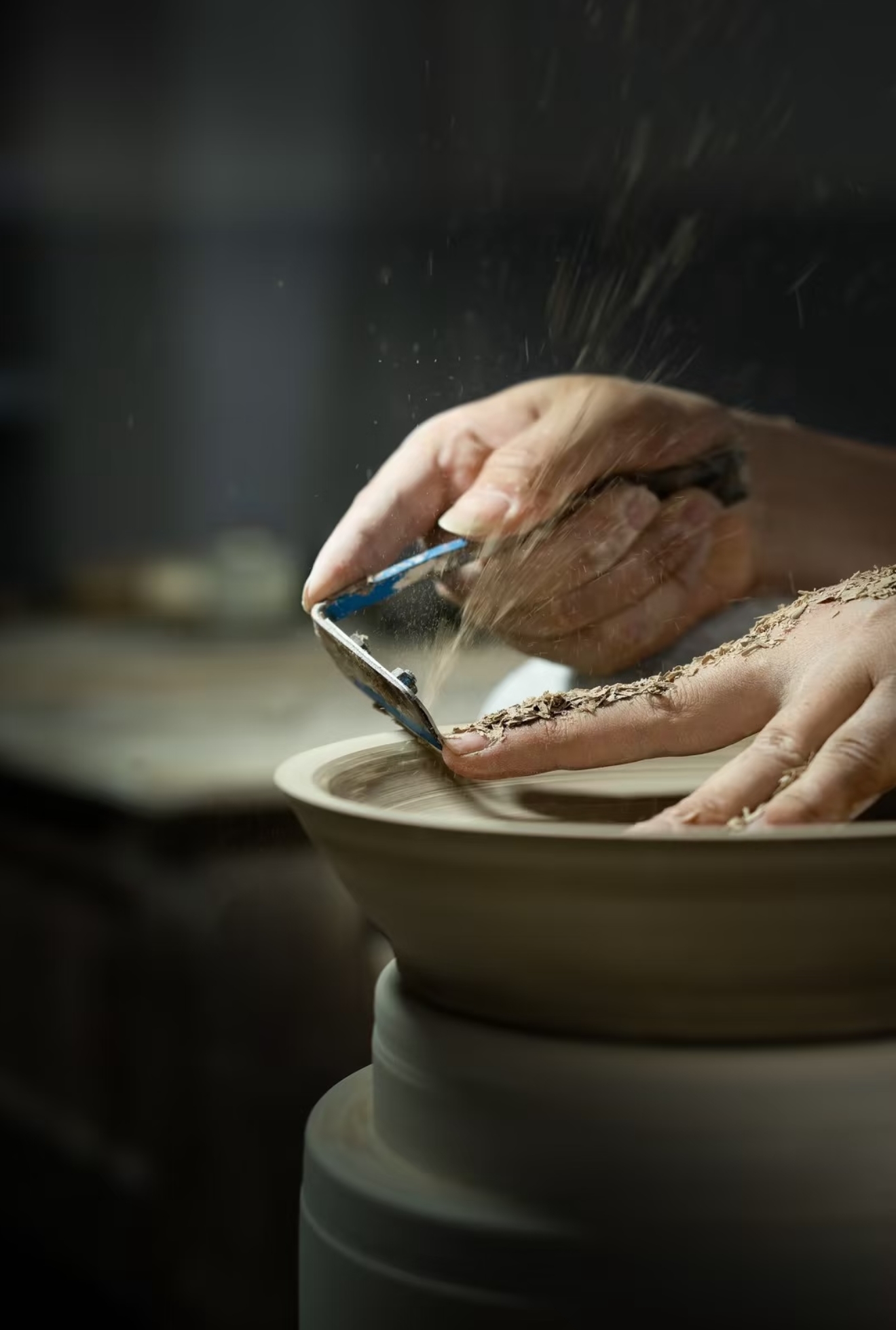
The wet body is air-dried in a cool, shaded area until semi-dry (this process takes about two days). The body is then trimmed to refine the shape, smoothed, and any rough edges or imperfections are removed.
IV. Glazing and Decoration
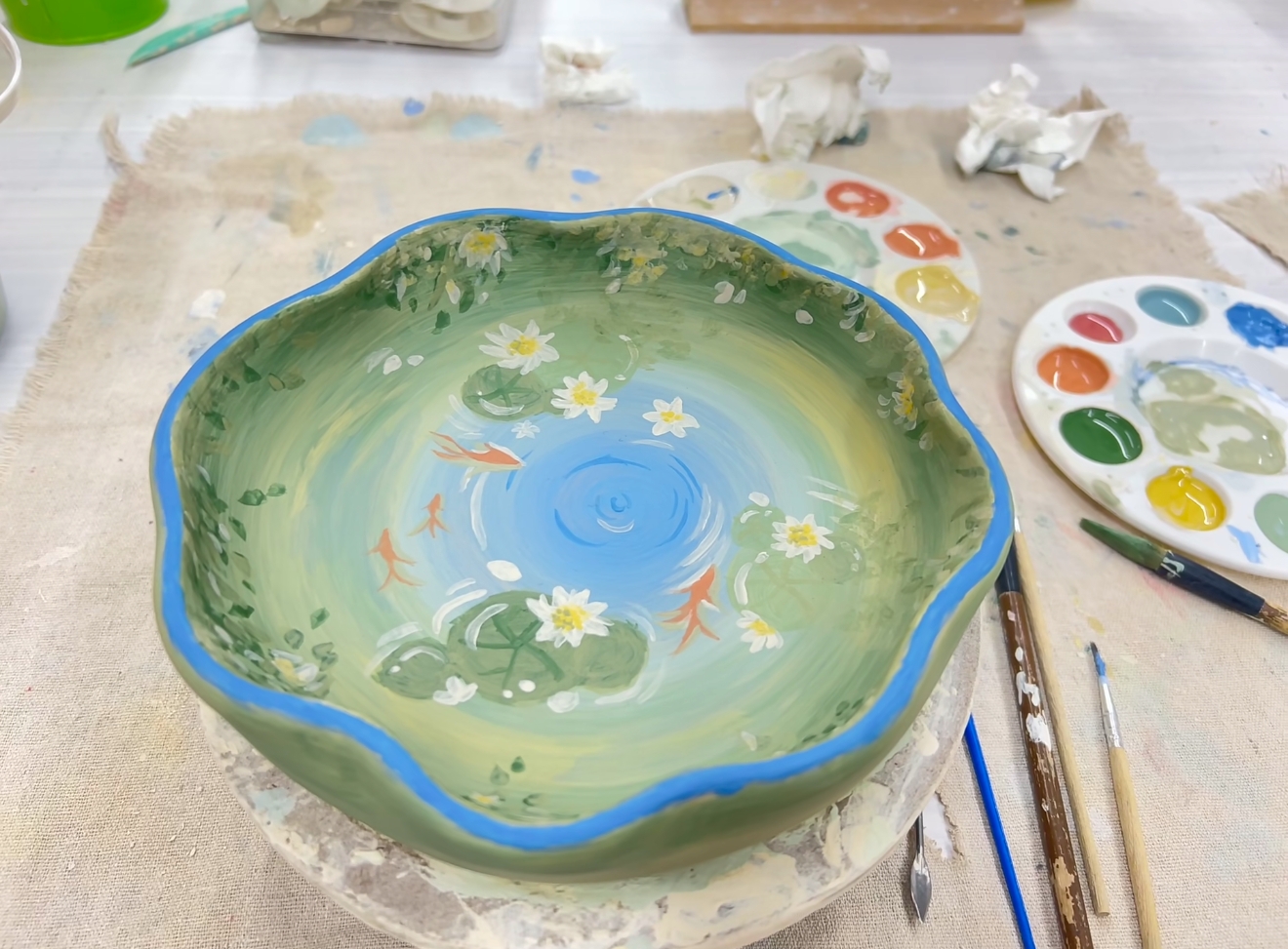
Decorations such as engraving and hand-painted patterns are applied to the unglazed body. After painting is complete, the piece must be left for two days to allow the pigments to dry thoroughly, after which glaze is applied using methods such as dipping, spraying, or dipping and wiping.
V. Firing
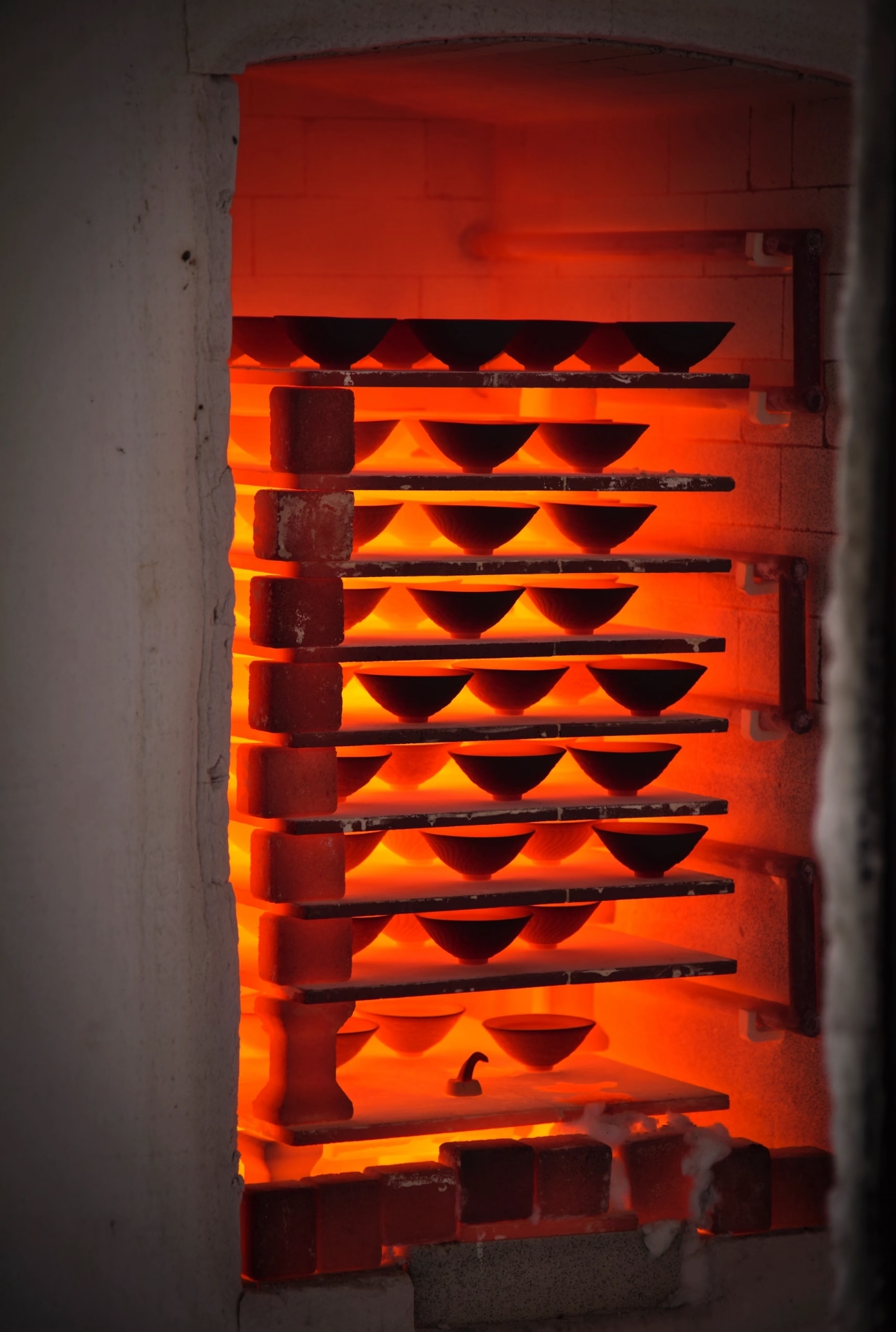
The glazed pieces are loaded into the kiln and fired at high temperatures: 1280–1320°C for porcelain and 800–1100°C for earthenware. They are removed from the kiln after natural cooling.
VI. Finishing
Quality inspection is conducted upon removal from the kiln. Due to temperature variations and other factors, some pieces may crack; defective items must be sorted out. The bottoms are sanded, and imperfections are cleaned to produce the final ceramic products.
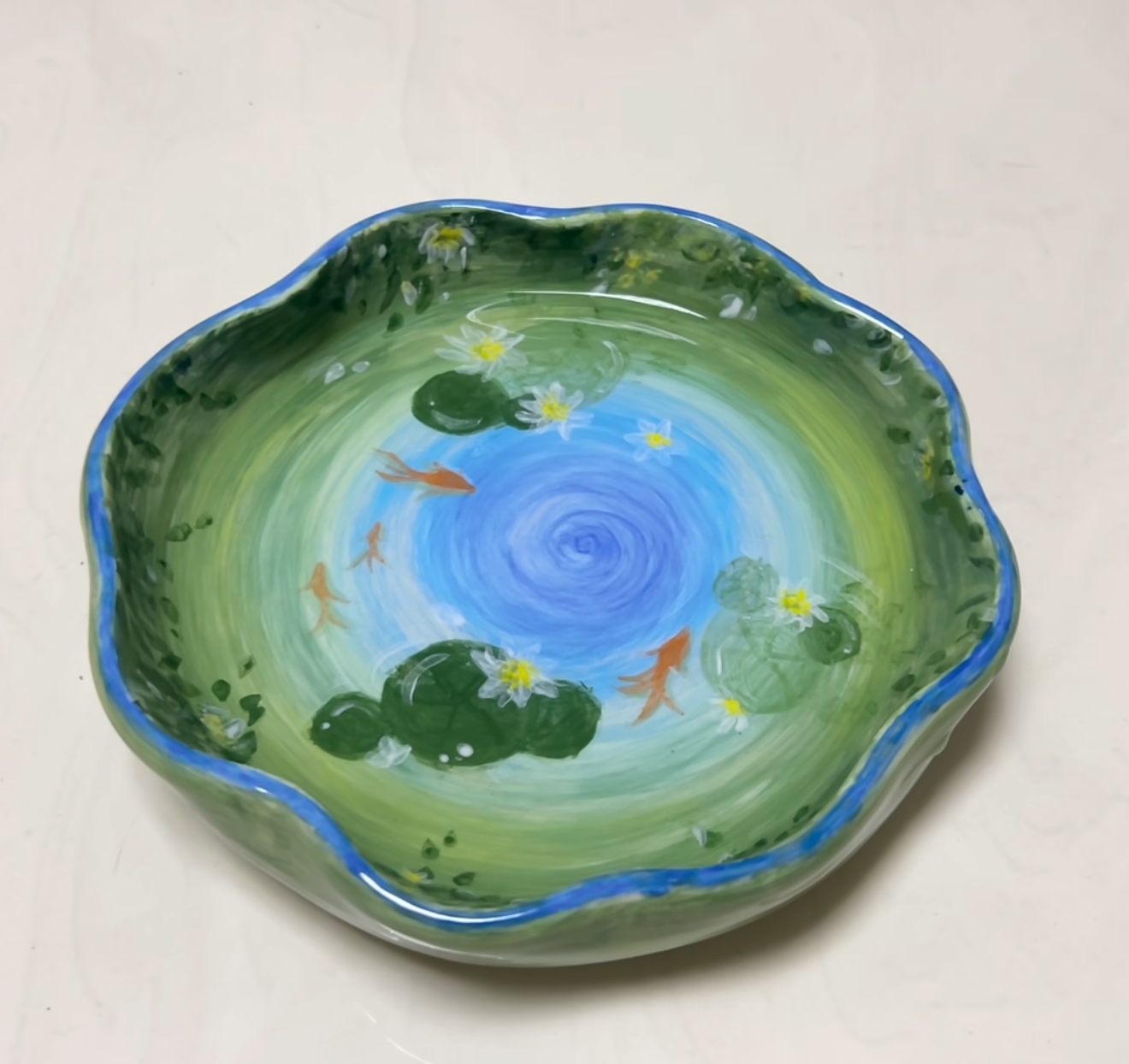
Since each product is handcrafted by us, it takes at least about a week to complete a ceramic piece. We ask for your patience and appreciate the time you allow us to create it.